March 5-12 is National Sleep Awareness Week: Morrison Dental can help you sleep better

March 5th, 2012 by admin

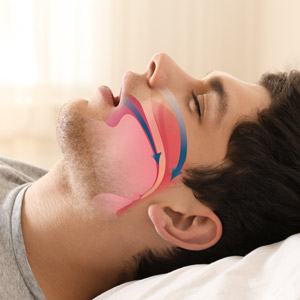
It’s estimated that approximately 20 percent of U.S. adults suffer from some form of sleep apnea but only about 10 percent of those affected by the disease are ever diagnosed. The Dental Sleep Center of Savannah at Morrison Dental Associates is dedicated to educating the community, helping to identify sleep apnea patients and providing treatment for mild to moderate sleep apnea through Oral Appliance Therapy.

Sleep apnea is a serious disease characterized by brief interruptions of breathing during sleep. Snoring is a primary symptom of sleep apnea, and anyone who is tormented by snoring is at risk for sleep apnea. Snoring may not be perceived as a serious threat, but sleep apnea has been linked to deadly medical issues such as strokes, heart attacks, diabetes and hypertension.

Sleep apnea must be diagnosed by a physician, but the Dental Sleep Center of Savannah at Morrison Dental Associates offers home sleep studies that have been found to be a cost-effective detection strategy for sleep apnea. As a part of National Sleep Awareness Week, the Dental Sleep Center of Savannah at Morrison Dental Associates will provide anyone who suspects they are at risk for sleep apnea with a free home sleep study and evaluation to help raise awareness about this sinister disease. The Dental Sleep Center of Savannah at Morrison Dental Associates will administer a sleep apnea risk questionnaire, provide home sleep study equipment and refer patients to a local sleep physician to review the results and determine a diagnosis.

Anyone interested in a home sleep study can contact the Dental Sleep Center of Savannah at Morrison Dental Associates at (912) 235-3636 or click on the Dental Sleep Medicine tab on the website menu. Don’t lose one more night’s sleep – get diagnosed and get treated!

Mouth guards help protect a child’s smile

February 29th, 2012 by admin

One in four parents says their child has had an injury during an organized sport resulting in a trip to the emergency room, according to the American Association of Orthodontists. With February recognized as the National Children’s Dental Health Month, Morrison Dental Associates wants to remind parents that good dental health is more than proper brushing, flossing, diet and regularly scheduled exams. We want to also encourage patients to be mindful of their braces and teeth while playing sports.

Each year, thousands of teens get hurt on the playing field, the basketball court, or while skateboarding, biking or during other activities. Blows to the face in nearly every sport can injure your teeth, lips, cheeks and tongue. A properly fitted mouth guard, or mouth protector, is an important piece of athletic gear that can protect your teeth and smile.

Robert Kobylarz, DDS, Morrison Dental’s orthodontist located in Savannah, explains there are three types of mouth guards: The ready-made mouth guard; the mouth-formed “boil and bite” mouth guard; and the custom-made mouth guard made by your dentist. All three mouth guards provide protection but vary in comfort and cost.

“The most effective mouth guard should be resilient and comfortable,” explains Dr. Kobylarz. “It should fit properly, be durable and easy to clean, and not restrict your speech or breathing.”

Generally, a mouth guard covers only the upper teeth, but in some cases the dentist will make a mouth guard for the lower teeth. Your dentist can suggest the right mouth guard for you.

Half of all dental injuries can be prevented and a mouth guard is an important aid in protecting teeth with braces. Frank Barbieri, DDS, MS has practiced orthodontics more than 40 years and joined Morrison Dental’s Bluffton office in 2010. He reminds parents that mouth guards are not just for football and hockey. “Kids should wear a properly fitted mouth guard for any activity in which there is a chance of a facial or dental injury from hitting another player or a hard surface.” He adds, “It is especially important that kids with braces protect themselves so we take talk with parents about the best type of mouth guard for the particular sport.”

Don’t take your teeth for granted. Protect your smile with a mouth guard. MDA also reminds patients to have regular dental checkups and bring your mouth guard along so the dentist can make sure it’s still in good condition.

If you have further questions about any of these tips or would like to learn more about orthodontic services at Morrison Dental Associates, contact Dr. Kobylarz in the Savannah office at (912) 354-3444 or Dr. Barbieri in the Bluffton office at (843) 706-2146.

What should my kids be eating?

February 23rd, 2012 by admin

At the dinner table, it’s all too common for a parent to say, “You’d better eat that – it’s good for you!” But also a child will be told, “Don’t eat that – it will make your teeth rot!” Now more than ever, kids are faced with a wide array of food choices. From fresh produce to high-sugar processed convenience meals and snack foods, what children eat and when they eat effect not only their weight and general health but also their oral health.

Americans are consuming foods and drinks high in sugar and starches more often and in larger portions. Busy schedules give way to fast food drive thru purchases. After-school snacks are commonly packages of processed sweets or food that is equal in portion to a complete dinner. The American Dental Association notes that the average teenage boy in the U.S. consumes 81 gallons of soft drinks each year.

Almost all foods have some type of sugar that cannot and should not be eliminated from our diets. But there is a risk for tooth decay from a diet high in sugars and starches. When sugar is consumed over and over again in large, often hidden amounts, the harmful effect on teeth can be dramatic. Sugar on teeth provides food for bacteria, which produce acid. The acid in turn can eat away the enamel on teeth.

At Morrison Dental Associates, the oral health team pays special attention to educating parents and their children on the importance of developing good habits at an early age. “Good dental care is more than simply brushing every day,” says Celestino Perez, DMD, a pediatric dentist with MDA. “Helping children to adopt good habits is important because oral problems can impact self-esteem for children and lead to problems eating and speaking.”

Reduce your children’s risk of tooth decay:

  • Sugary foods and drinks should be consumed with meals. Saliva production increases during meals and helps neutralize acid production and rinse food particles from the mouth.
  • Limit between-meal snacks. If kids crave a snack, offer them nutritious foods.
  • If your kids chew gum, make it sugarless – Chewing sugarless gum after eating can increase saliva flow and help wash out food and decay-producing acid.
  • Monitor beverage consumption – Instead of soft drinks all day, children should also choose water and low-fat milk.
  • Help your children develop good brushing and flossing habits.
  • Schedule regular dental visits.

Contact Morrison Dental Associates at 354-3444 to schedule a dental exam for your child and for more information about steps you can take to reduce the risk of cavities, gum disease and other oral health problems.

How Do I Help My Children Care for Their Teeth and Prevent Cavities?

February 13th, 2012 by admin

Teaching your child proper oral care at a young age is an investment in his or her health that will pay lifelong dividends. You can start by setting an example; taking good care of your own teeth sends a message that oral health is something to be valued. To help your children protect their teeth and gums and greatly reduce their risk of getting cavities, teach them to follow these simple steps:

  • Brush twice a day with an ADA — accepted fluoride toothpaste to remove plaque-the sticky film on teeth that’s the main cause of tooth decay.
  • Floss daily to remove plaque from between your teeth and under the gumline, before it can harden into tartar. Once tartar has formed, it can only be removed by a professional cleaning.
  • Use dental products that contain fluoride, including toothpaste.
  • Eat a well-balanced diet that limits starchy or sugary foods, which produce plaque acids that cause tooth decay.
  • Make sure that your children’s drinking water is fluoridated. If your water supply; municipal, well or bottled does not contain fluoride, your dentist or pediatrician may prescribe daily fluoride supplements.
  • Take your child to the dentist for regular checkups.

Good oral care for children promotes a lifetime of healthy teeth and gums

February 3rd, 2012 by admin

Tooth decay is the most common chronic disease affecting American children. According to a comprehensive study on the nation’s oral health released in 2000 by the Office of the U.S. Surgeon General, dental and oral diseases area a “silent epidemic” that extends to the country’s children. The report stated that tooth decay is the most common chronic disease affecting children in the United States, and millions of school hours are lost each year due to dental-related illness.

More recently, the Centers for Disease Control and Prevention (CDC) released data indicating that tooth decay among preschoolers is on the rise for the first time in more than 50 years. Untreated oral disease has been linked to childhood infections and more catastrophic illnesses, but more commonly tooth decay greatly restricts children’s daily activities and results in frequent school absences.

“Dental care remains a critical health care need for our children, and parents need to learn that good dental health requires more than simply brushing every day,” said Dr. Celestino Perez, a pediatric dentist with Morrison Dental Associates. “Letting parents know about the importance of oral health and helping children to adopt good habits is essential to the mission of everyone in dentistry. When problems are not caught early and treated, they can develop into more severe problems and cause unnecessary suffering.”

At Morrison Dental Associates, Dr. Perez stresses to parents that many of these problems can be prevented by the development of good oral health habits at a young age and regular visits to the dentist. The ADA recommends that children see a dentist no later than their first birthday, but studies reveal that only three out of five children have seen a dentist by the time they enter kindergarten. Because of inattention and other barriers to oral care, 52 percent of children ages six to eight suffer tooth decay according to the U.S. Department of Health and Human Services in its Healthy People 2010 oral health update.

Throughout National Children’s Dental Health Awareness Month, Morrison Dental Associates will strive to raise the awareness of the importance of dental health care for children and inform parents about the possible pitfalls of neglecting a child’s oral healthcare needs. Scheduling regular dental visits helps children get a good start on a lifetime of healthy teeth and gums.

Contact Morrison Dental Associates at 354-3444 for more information about National Children’s Dental Health Awareness Month or to schedule an dental exam.

Make your teeth a priority in 2012

January 3rd, 2012 by admin

Caring for your teeth and gums is an important part of your overall health. But Morrison Dental Associates makes it easy for you to get the care you need for your teeth and your children’s teeth. Try not to put off taking care of your teeth or taking care of your children’s teeth, because small dental problems can become bigger, more expensive dental problems if you and your children don’t regularly see a dentist.

Call the Morrison Dental location nearest you and talk to the friendly staff member about any questions you have or simply schedule an appointment at a time that’s convenient for you and your family. If you or your children are having a problem with a tooth or multiple teeth, describe the problem you are having and the staff member can help schedule the treatment you need. If you are experiencing pain, is the pain continuous or throbbing? Does the pain keep you awake at night? Is there any swelling or drainage and how long has the tooth or teeth been a problem? Are your teeth sensitive to hot, cold or sweet? All this information can help Morrison Dental Associate prepare for your visit and provide your teeth or your children’s teeth with the most appropriate treatment.

You can also talk with our staff about your dental or health insurance or if you need to discuss the cost of the services you need. It’s a good idea to schedule appointments in advance so Morrison Dental Associates can keep your oral healthcare up to date, monitor any problems and help you avoid dental emergencies which could be painful and expensive.

Call Morrison Dental Associates today to schedule an appointment and make your teeth a priority in 2012!

Avoid holiday oral health hazards

December 7th, 2011 by admin

Holiday lights are shining in trees and storefronts. Parties are scheduled. Family time around the Christmas tree. With all the holiday festivities, you don’t want a sudden toothache to ruin your holiday celebrations.

Even dentists enjoy a great gingerbread cookie or a traditional candy cane during the holiday but we know holiday treats can often bring dental troubles. So here are some tips for a holiday season without dental problems. Read more

Morrison Dental is Dunwoody’s Most Convenient Dental Office

August 28th, 2011 by admin

Dr. Daniel Lee at Morrison Dental Associates in Dunwoody knows how busy his patients are and has emphasized making Morrison Dental the most convenient dental practice in Dunwoody.

Dr. Lee and Morrison Dental know that today’s hectic work and school schedules can make it difficult to get the dentist, and in Dunwoody it can be difficult to find a dental practice that will work around your schedule. Morrison Dental accommodates their patients’ busy lives by offering early morning and late afternoon appointments times. Morrison Dental is open from 7 a.m. until 6 p.m. on Monday and Wednesday and 7 a.m. until 5 p.m. on Tuesday and Thursday. Read more

Page 2 of 212